Famous Tourist Places in Morocco: Your Ultimate Guide to Must-See Spots
Imagine stepping into a world where colorful souks buzz with energy, ancient medinas whisper stories of kings, and golden dunes stretch forever under starlit skies. Morocco pulls you in with its mix of wild landscapes and deep traditions. As a top spot for travelers, it blends Arab, Berber, and European influences into something magical. From the buzz of tourist attractions in Morocco to hidden gems, this guide covers the best famous tourist places in Morocco. You’ll find tips to plan your trip and make every moment count.
The Imperial Cities: Heart of Moroccan History and Culture
These old capitals shaped Morocco’s past. They hold stunning buildings and lively streets. Each one feels like a step back in time, yet full of modern charm.
Marrakech: The Vibrant Red City
Marrakech hits you with its red walls and non-stop action. It’s a gateway to the desert, drawing crowds year-round. The main square, Jemaa el-Fnaa, comes alive at dusk with storytellers, snake charmers, and food stalls.
Wander the souks for spices, rugs, and leather goods. Haggle a bit—it’s part of the fun. Key spots include the Majorelle Garden, with its blue villa and exotic plants, and the Bahia Palace, a maze of tiled rooms.
Visit the souks early in the morning. Crowds thin out, and you catch the fresh light on the stalls. In winter, like now in February, the weather stays mild for easy walks. Marrakech mixes thrill and calm, perfect for first-time visitors to famous tourist places in Morocco.
Fez: The Spiritual and Scholarly Capital
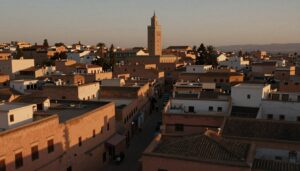
Fez feels like a living museum. Its old medina ranks as the world’s largest car-free zone, a UNESCO site packed with narrow lanes. Craftsmen here keep old skills alive, from weaving to pottery.
Dive into the tanneries, where hides soak in vats of dye. The smell hits hard, but the view from leather-drying terraces stuns. Don’t miss Al-Qarawiyyin University, the oldest in the world, or the Attarine Madrasa with its carved wood and tiles.
Explore on foot, but hire a guide to avoid getting lost. Fez offers real slices of life, far from tourist traps. Sample mint tea in a quiet riad—it’s a taste of true Moroccan hospitality.
Rabat: The Modern Capital on the Atlantic Coast
Rabat blends new and old smoothly. As the current capital, it shows Morocco’s forward steps while honoring roots. Ocean breezes cool the air, making it a relaxed base.
See the Hassan Tower, a giant minaret from the 12th century, and the Mausoleum of Mohammed V nearby. They sit in a vast plaza that feels peaceful. Head to the Kasbah of the Udayas, a white-washed fort with gardens and ocean views.
Stroll the modern beaches or visit the Mohammed VI Museum for fresh art takes. Rabat suits those who want city vibes without the chaos. It’s a smart stop on routes to other tourist attractions in Morocco.
Wonders of Nature: From Beaches to the Vast Sahara
Morocco’s land shifts fast—from snowy peaks to endless sand. This variety makes it a dream for nature lovers. You can chase adventure one day and relax the next.
The Atlas Mountains and Hiking Spots
The Atlas Mountains rise sharp and call to hikers. Mount Toubkal tops North Africa at over 13,000 feet. In winter, like this February chill, you can ski on fresh powder.
Summer brings wildflower trails and cool streams. Visit Berber villages like Imlil, where stone houses dot green valleys. Locals welcome you with hot tagine meals and tales by the fire.
Tackle multi-day hikes for epic views. Paths wind past walnut groves and kasbah ruins. Pack layers—the weather flips quick up high. These spots add raw beauty to your list of famous tourist places in Morocco.
The Moroccan Sahara: Endless Golden Sands
The Sahara starts near Merzouga and Zagora. Ride camels at sunset as dunes glow orange. Camp under skies thick with stars—no city lights to spoil it.
Luxury camps offer plush tents with private baths. Or go basic for that raw desert feel. Wake to the call of nomads and hot coffee.
Merzouga’s erg Chebbi dunes tower high—climb one for photos that wow. February’s cooler nights make rides comfy. This escape feels timeless, a top pick among Morocco’s natural wonders.
Coastal Cities: Mediterranean and Atlantic Charms
Morocco’s shores mix calm seas and wild waves. North faces the Med, south crashes with Atlantic force. Each town has its own pull.
Essaouira, once Mogador, lures artists with white walls and blue shutters. Strong winds make it a kite-surf haven. Walk the ramparts built by Portuguese traders.
Tangier and Tetouan sit at the Strait of Gibraltar. Tangier buzzes with cafes echoing its spy-novel past. Tetouan’s medina shows Spanish-Moorish tile work.
Dip in the Med for clear waters, or surf Atlantic swells. These coasts balance sun and culture in tourist attractions in Morocco.
Treasures of the North: Blue and White Magic
Northern Morocco hides spots that charm with color and calm. Away from big crowds, they offer fresh air and photo ops. Think quiet escapes with big impact.
Chefchaouen: The Blue Pearl
Chefchaouen earns its blue nickname from walls painted that shade. Locals say it honors Jewish roots or keeps bugs away—either way, it’s a visual treat. Narrow streets twist uphill, lined with cats and craft shops.
Snap pics in the morning light. Blues pop against white doors and green plants. The air stays crisp, especially in February’s mild days.
Climb to the Spanish Mosque for panoramic views. It’s a short hike that rewards with peace. Chefchaouen feels like a secret, one of the most Instagrammable famous tourist places in Morocco.
Meknes and Volubilis: Roman Legacy
Meknes shines as a fortified city from the 17th century. Sultan Moulay Ismail built it grand, with massive gates like Bab Mansour’s carved arches. Stables once held 12,000 horses—imagine the scale.
Volubilis, nearby, holds Roman ruins from 2,000 years back. Walk mosaic floors of gods and animals. Columns stand tall amid olive fields.
Both sites made UNESCO’s list for good reason. Tour Meknes’ medina for sweets and silver. At Volubilis, winds carry hints of ancient life. These ruins add depth to northern Morocco trips.
Practical Tips for Planning Your Trip to Morocco
Travel here takes some prep, but it pays off big. Focus on smart moves to keep things smooth. You’ll enjoy more, stress less.
Getting Around Cities
Trains run reliable via ONCF for long hauls, like Casablanca to Marrakech. They beat buses for comfort on big routes. Rent a car for flexibility in the mountains or coast.
Buses work cheap for short hops, but pack light. Taxis in cities use meters—insist on it. For deserts, join tours with 4×4 rides. Pick trains in February for fewer crowds and scenic views.
Culture and Local Interactions
Dress modest at mosques—cover shoulders and knees. Women might want a scarf for entry. In souks, bargain with smiles; start at half the price.
Learn basics like “shukran” for thank you in Darija. It opens doors. Respect prayer times; shops close briefly. These habits build real connections in Moroccan tourist spots.
Must-Try Foods
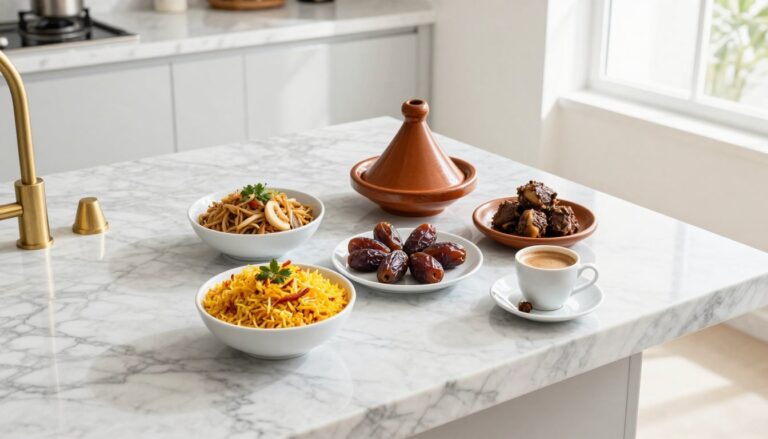
Tagine steams with meat, veggies, and spices in clay pots. Couscous piles high on Fridays, a family staple. Harira soup warms with lentils and tomatoes.
Sip mint tea everywhere—it’s sweet and social. Find street carts in Jemaa el-Fnaa for fresh bites. Dive into meals; food ties you to the people.
Conclusion: Discover the Magic of the Moroccan Kingdom
Morocco weaves history, nature, and warmth into one unforgettable trip. From imperial cities like Marrakech and Fez to blue Chefchaouen and Sahara sands, its famous tourist places in Morocco offer endless variety. You’ve got beaches, mountains, and medinas all in reach.
This land breaks stereotypes—it’s welcoming and full of surprises. Plan around your pace: hit the highlights or linger in villages. Book now for February’s perfect weather. Pack your bags and head to Morocco. Your adventure waits—what spot calls to you first?