Discover Authentic Flavors: The Most Famous Gulf Kitchens and Dishes for Tourists
Imagine stepping into a world where every bite tells a story of desert sands, sparkling seas, and warm welcomes. Gulf cuisine draws you in with its bold spices and fresh ingredients, far beyond the beaches and malls that often steal the spotlight. It’s a tasty gateway to the heart of the region.
This guide covers the top dishes and spots to eat in Saudi Arabia, UAE, Qatar, Kuwait, Bahrain, and Oman. You’ll learn what makes these foods special and where to find the real deal on your trip.
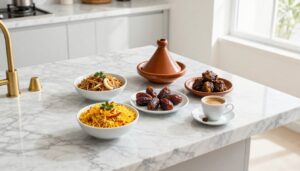
The Foundations That Shape Gulf Kitchen Identity
Gulf food builds on simple, powerful elements tied to the land and sea. History and trade add layers of flavor that make each meal unique.
Key Ingredients: Dates, Rice, and Warm Spices
Dates bring natural sweetness and quick energy to many dishes. They grow in abundance here and pair well with savory foods. Long-grain rice like Basmati soaks up spices in one-pot meals.
Spice mixes include cardamom for aroma, saffron for color, turmeric for earthiness, and dried limes called loomi for tang. These create that signature Gulf taste.
Tourists should hunt for spice markets in places like Riyadh or Doha. Pick up a bag of baharat mix to recreate flavors at home.
Geographic and Historical Impacts on Tastes
The sea shapes coastal eats in Kuwait and Bahrain with fresh fish and shrimp. Inland areas rely on camel or goat meat that lasts in the heat. Preserved items like yogurt help too.
Trade routes brought Indian rice tricks and Persian herb ideas. You see this in layered biryanis or sweet treats with rose water.
These mixes make Gulf plates a blend of old paths and local life.
Hospitality Culture and Its Effect on Food Service
Sharing food is key in Gulf homes and eateries. Big platters let everyone dig in together, building bonds. It’s more than eating; it’s connecting.
Arabic coffee, or qahwa, starts every gathering. Bitter and spiced, it pairs with sweet dates as a sign of welcome. Guests often get refills until they shake the cup gently to stop.
This setup turns meals into warm events you won’t forget.
Main Dish Icons: What to Taste in the Gulf
Gulf mains stand out for their slow cooking and rich scents. They highlight the region’s love for hearty, spiced meals that feed crowds.
Majboos/Kabsa: King of Gulf Tables
Majboos in Oman layers rice with meat and veggies, while Saudi kabsa smokes the rice for extra depth. Both use lamb or chicken simmered low and slow. Spices like cloves and cinnamon shine through.
The meat falls off the bone, served with yogurt or tomato sauce on the side. It’s a feast that fills you up.
Try Tahrir Restaurant in Riyadh for classic kabsa made fresh daily. In Oman, head to family spots like Bait Al Luban for majboos that tastes like home.
Seafood Dishes in Coastal Cities (Fish and Catch)
UAE spots like Dubai offer hammour fish grilled with garlic and cumin. Bahrain’s machboos mixes prawns with saffron rice. These fresh catches hit the plate soon after the sea.
Sayadieh from Qatar tops rice with caramelized onions and fried fish. It’s light yet full of sea flavor.
Eat at fish markets in Abu Dhabi for the freshest picks. Vendors grill right there, adding local herbs.
Other Popular Dishes: Harees, Margoug, and Fried Foods
Harees blends cracked wheat with pounded meat into a creamy porridge. It’s comfort food from old times, often at weddings.
Margoug stews lamb with veggies over thin bread sheets. The bread soaks up juices for a soft bite.
Fried items like falafel or sambusas add crunch. These snacks use chickpeas or meat in pastry, perfect for streetside munchies.
A Journey Through Traditional Sweets and Drinks
Sweets in the Gulf balance sticky syrups with nuts for pure joy. Drinks tie it all with simple rituals.
Baklava and Luqaimat: Crunch vs. Sweetness
Baklava stacks phyllo dough with pistachios, baked then drenched in honey. Its flaky layers crack under your fork.
Luqaimat are fried dough balls, puffed and drizzled with date syrup. Soft inside, they shine in Ramadan nights.
Both draw from nearby lands but use local nuts. Grab them at souks for a quick treat.
Arabic Coffee and Its Pairing Spices
Qahwa roasts beans light, then boils with cardamom and saffron. It stays hot in a dallah pot for pouring.
Serve it in small cups, three sips max per round. Dates cut the bitterness, making it a perfect opener.
In homes or cafes, this brew sparks chats and shows respect.
Dates’ Role in Modern Sweets
Dates stuff chocolates or top ice cream now. Factories turn them into bars with almonds for healthy snacks.
They keep old sweetness in new forms, like date shakes in Dubai malls. It’s a nod to tradition with a fresh spin.
Tourists love these as souvenirs, easy to pack and share.
Tourist Food Experiences: Best Spots for Authentic Gulf Eats
Go beyond fancy hotels to find true tastes. Local gems offer dishes passed down generations.
Visiting Folk Markets and Old Family Restaurants
Seek mandi houses for pit-smoked meat over rice. These hide in neighborhoods, away from tourist traps.
Family-run places serve kabsa on huge trays. Recipes stay the same for years.
Ask locals for tips on hidden eateries. Their picks beat guidebooks every time.
Modern Gulf Kitchen (Fusion Cuisine)
Chefs in Dubai mix kabsa with sushi twists or luqaimat ice cream. Doha spots refine harees into fine dining.
These spots keep roots but add flair. Try IDAM by Alain Ducasse in Qatar for upscale takes.
It’s tradition meets now, exciting for food lovers.
Experiencing the Diwaniya or Majlis Cultural Setup
Diwaniya means a gathering space for men, with food and talk. Women have majlis too.
Cultural centers let tourists join for coffee and dates. Heritage tours include meals in these setups.
Feel the welcome as stories flow over shared plates.
Tips for Travelers to Nail Your Food Trip
Smart choices make your Gulf eats smooth and fun. Know the basics to dive right in.
Understanding Gulf Table Manners
Wait for the host or elders to eat first. Use your right hand for passing and taking food.
When offered more, say “la shukran” politely to decline. It’s all about respect and flow.
These habits make you blend in and enjoy more.
Handling Spices and Heat
Ask about spice levels before ordering. Coastal spots use more chili than inland ones.
Start mild if you’re new, then build up. Yogurt sides cool things down fast.
Water helps too, but milk works better on spice fires.
Best Seasons to Hit Farm Markets and Local Goods
Visit in cooler months, November to March. Markets burst with dates and herbs then.
Saudi’s Al Qatif fair shows off fresh produce. Oman’s Muttrah souk peaks in winter.
Stock up on saffron or loomi for your kitchen back home.
Conclusion: A Flavor Legacy That Lasts
Gulf kitchens offer a deep dive into culture through every spice and shared bite. From kabsa feasts to qahwa rituals, it’s hospitality on a plate.
Key points stick: try the rice mains, embrace sea catches, and savor sweets with dates. Diversity spans deserts to shores.
As traditions mix with new ideas, these flavors stay alive. Plan your trip now—your taste buds will thank you. Book a food tour and taste the Gulf’s soul.